
 Recommended On
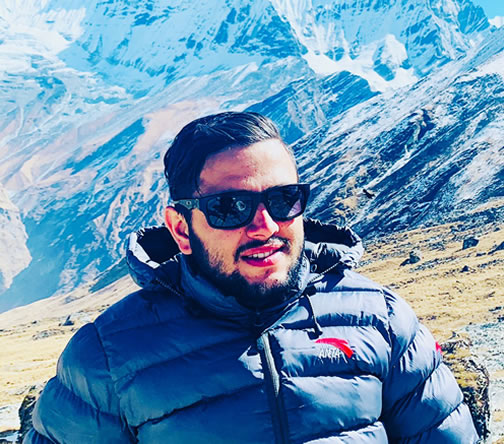
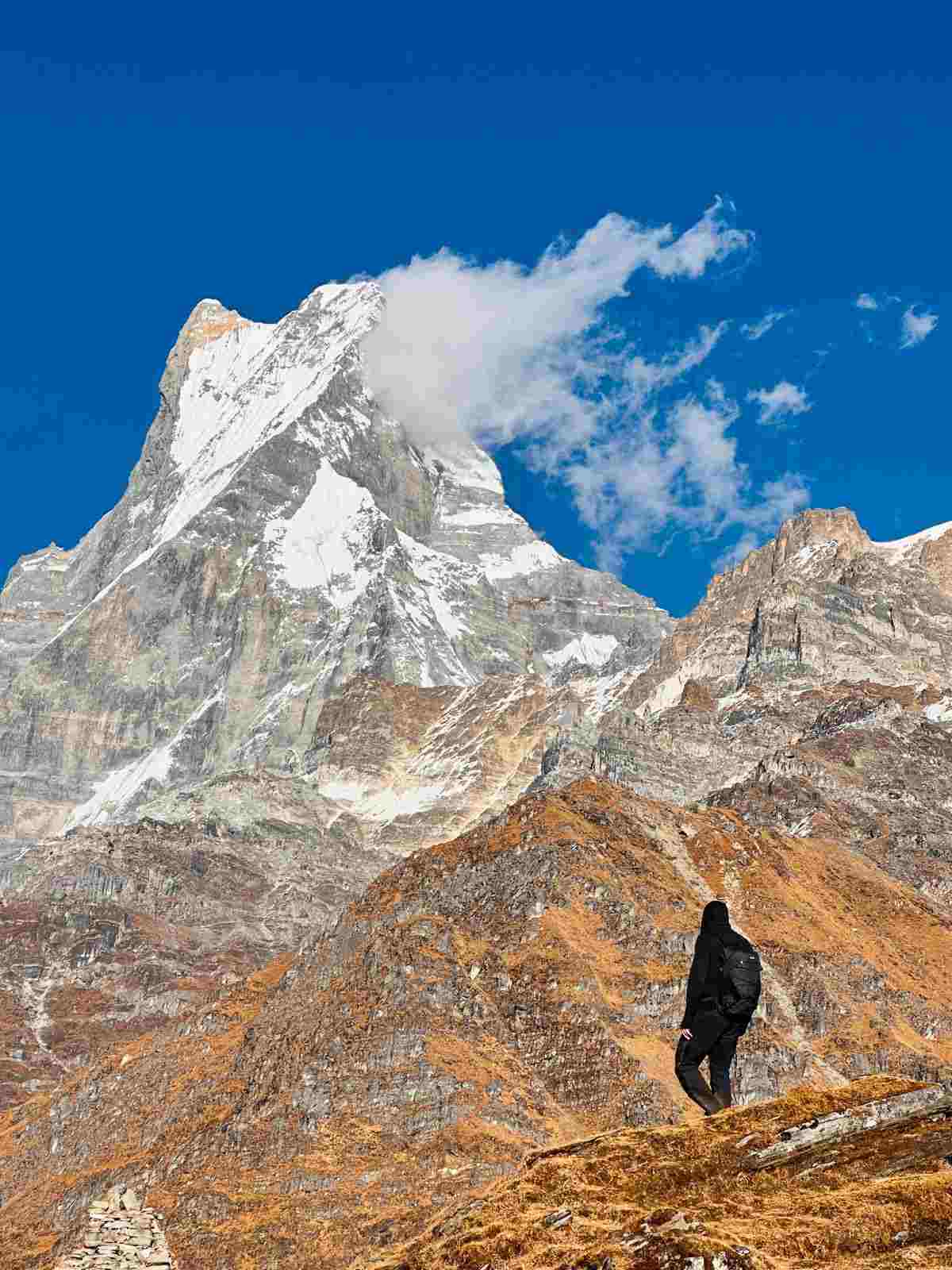
Trekking in Nepal during the monsoon season is possible if you choose routes that remain relatively dry and operational between June and early September. While many lower Himalayan trails receive heavy rainfall, several rain-shadow regions north of the Himalayas experience much lower rainfall. These trekking routes continue attracting hikers because they combine stable trail conditions with remote landscapes, Tibetan culture, and fewer crowds.
The best monsoon treks in Nepal are usually found in Upper Mustang, Upper Dolpo, the Nar Phu Valley, and the rain-shadow side of the Annapurna Circuit Trek. These regions sit behind high Himalayan barriers that block much of the monsoon moisture coming from southern Nepal. The result is a drier landscape with better trekking conditions during months when wetter trails across central Nepal become muddy and unstable.
Monsoon trekking also changes the atmosphere of Nepal’s mountain regions. Forests become greener, waterfalls grow stronger, and villages feel quieter because fewer tourists travel during the rainy season. Tea houses often have better availability, and experienced trekkers appreciate the slower pace of the trails. However, landslides, transportation delays, humidity, and changing mountain visibility remain important realities during Nepal monsoon trekking.
Choosing the right monsoon trekking route depends on weather patterns, altitude, road conditions, and your trekking experience. Some treks are comfortable tea house routes suitable for fit beginners, while others require camping logistics, remote travel experience, and tolerance for weather variability.
Is Monsoon a Good Time for Trekking in Nepal?
Monsoon trekking in Nepal is possible if trekkers choose rain shadow regions with lower rainfall, stable trails, and manageable transportation access. Weather, altitude, mountain visibility, and landslide risk all influence whether a monsoon trekking route remains safe and practical during the rainy season.
What the monsoon season in Nepal is actually like
Nepal’s monsoon season usually begins in mid-June and lasts until early September. Warm moisture from the Bay of Bengal moves toward the Himalayas and produces regular afternoon rainfall across much of the country. Lower trekking trails become wet, humid, and slippery during this period. Morning weather windows are often clearer than afternoons. Mountain visibility changes quickly because cloud cover builds throughout the day, especially in forested valleys below 3,000 meters.
Why do some trekking regions receive less rainfall than others
Not every trekking region in Nepal receives the same amount of monsoon rainfall. Upper Mustang, Upper Dolpo, and Nar Phu Valley remain significantly drier because they sit behind major Himalayan ranges. These mountains block moisture before it reaches northern valleys. As a result, trekkers can still experience dry landscapes and workable trail conditions while southern regions receive heavy rain. This rain shadow effect makes several high-altitude trekking routes viable during July and August.
How rain shadow geography works in Nepal
Rain shadow geography explains why some Himalayan valleys stay dry during Nepal’s rainy season. Moist air rises along southern mountain slopes and releases rainfall before crossing high Himalayan barriers. Once clouds move north, most of the moisture has already disappeared. Regions like Upper Mustang and Dolpo therefore, develop dry terrain, dusty trails, and lower humidity even during monsoon months. These areas resemble Himalayan desert landscapes more than typical green trekking valleys.
Advantages of monsoon trekking compared to the peak autumn season
Monsoon trekking in Nepal offers quieter routes, easier tea house access, and less crowded trails than in October. Villages feel calmer because fewer trekking groups move through the region. Costs for guides and accommodation may also decrease slightly outside peak season. Forests become greener, rivers more powerful, and cloud movement creates dramatic mountain scenery. Trekkers looking for a slower and less commercialized trekking atmosphere often prefer monsoon trekking routes in Nepal over busy autumn corridors.
Common challenges during Nepal’s rainy trekking season
Monsoon trekking also includes real operational difficulties. Landslides frequently affect roads and lower trails, especially in the Annapurna and Manaslu regions. Humidity increases physical fatigue during long hiking days. Muddy trails become slippery below forest zones, and river crossings may become difficult after heavy rain. Domestic flight delays are common because low cloud cover reduces visibility conditions. Successful trekking in Nepal during the monsoon requires flexible itineraries and realistic expectations.
Who should consider monsoon trekking?
Experienced trekkers who value quieter routes, remote valleys, and cultural immersion usually adapt well to monsoon trekking in Nepal. Photographers interested in misty forests, dramatic skies, and changing cloud movement also enjoy the rainy season atmosphere. Travelers comfortable with transportation delays and unpredictable mountain weather often appreciate the slower rhythm of monsoon travel. Trekkers who have already visited Nepal during the autumn sometimes return specifically for the unique monsoon environment.
Who should avoid trekking during the monsoon?
Beginners attempting remote high-altitude trekking without guides should avoid monsoon travel in Nepal. Travelers with short schedules may struggle because road access and flights become unreliable during heavy rainfall. Trekkers whose main goal is constant mountain visibility may feel disappointed by long periods of cloud cover. People uncomfortable with humidity, muddy trails, leeches, or changing weather windows generally enjoy autumn or spring trekking seasons more.
Why Some Treks Are Better During Monsoon Than Peak Autumn Season
Certain trekking routes in Nepal perform better during monsoon because they remain quieter, less commercialized, and relatively dry compared to wetter Himalayan valleys. Rain shadow geography, reduced crowds, and stronger cultural immersion create a very different trekking atmosphere from peak autumn season.
Fewer crowds and quieter trails
One major advantage of monsoon trekking is the dramatic reduction in trail traffic. Tea houses that feel crowded in October become quiet during July and August. Trekking routes around Upper Mustang and Nar Phu Valley often feel isolated for long stretches. Many experienced trekkers prefer this atmosphere because the mountains feel less commercialized. Remote trails become calmer, and villages return to a more natural daily rhythm without constant tourist movement.
Greener forests and dramatic landscapes
Monsoon rain transforms lower Himalayan forests into rich green landscapes filled with waterfalls and dense vegetation. Trails around Annapurna and Langtang become visually dramatic because fog moves through forests and river valleys throughout the day. While autumn provides clearer mountain visibility, the monsoon creates a stronger contrast between green hills, dark clouds, and rocky Himalayan terrain. This seasonal change attracts photographers who enjoy atmospheric and moody landscapes.
Better availability and lower trekking costs
Accommodation availability improves during Nepal’s rainy season because fewer trekkers occupy tea houses. Guides and porters may also have more flexible schedules than during autumn. Some tea house owners reduce prices slightly because tourism demand drops outside peak months. Budget-conscious travelers often find monsoon trekking easier to organize because transportation, accommodation, and logistics become less competitive than during October and November.
Why monsoon can feel more authentic and less commercialized
During the monsoon season, many trekking villages return to their normal agricultural routines. Farmers work fields, livestock move through trails, and local life becomes more visible without heavy tourism activity. Tea house owners usually spend more time interacting with guests because fewer groups pass through each day. Many trekkers describe monsoon travel as a more authentic experience because village life feels less influenced by seasonal tourism pressure.
Cultural atmosphere during the monsoon season
Monsoon creates a slower and quieter social atmosphere inside the Himalayan villages. Tea houses often feel more relaxed because trekkers stay longer during rainy periods. Tibetan Buddhist villages in Upper Mustang and Nar Phu Valley continue daily monastery life throughout the season. Cultural interaction sometimes becomes stronger during the monsoon because smaller trekking groups spend more time inside villages instead of quickly moving between crowded destinations.
Photography advantages during cloudy and misty conditions
Cloud cover changes mountain photography significantly during Nepal monsoon trekking. Instead of constant blue skies, photographers capture layered fog, dramatic weather shifts, and soft natural light. Mist moving through forests around Annapurna creates atmospheric depth difficult to find during autumn. Rain shadow regions also combine dry landscapes with active cloud movement, producing unique scenery that differs from classic clear-sky Himalayan photography.
Why do experienced trekkers sometimes prefer monsoon trekking
Experienced hikers often enjoy monsoon trekking because it feels slower, quieter, and more unpredictable than standard trekking seasons. Weather variability creates a stronger awareness of mountain conditions and route planning. Tea houses feel more personal, and remote valleys regain a sense of isolation absent during busy autumn months. Many trekkers who have already completed Nepal’s major routes in peak season return during the monsoon for a different emotional and environmental experience.
What Makes a Trek Suitable for Monsoon Season?
The best monsoon treks in Nepal usually combine rain shadow geography, stable trail surfaces, lower landslide exposure, and reliable tea house infrastructure. Factors like altitude, drainage, transportation reliability, and regional rainfall patterns directly affect trekking safety during Nepal’s rainy season.
Rain-shadow trekking regions explained
The best monsoon treks in Nepal are usually located inside rain shadow regions north of the Himalayas. These valleys receive far less rainfall because mountain barriers block most monsoon moisture. Upper Mustang, Upper Dolpo, Nar Phu Valley, and sections around Manang remain relatively dry even during July and August. Rain shadow treks in Nepal therefore maintain safer trail surfaces and more stable trekking conditions than wetter southern trekking routes.
Elevation and rainfall differences across Nepal
Rainfall levels change dramatically depending on altitude and location. Lower valleys below 2,500 meters often experience intense rainfall and humidity during the monsoon season. Higher valleys inside rain shadow zones remain significantly drier. Annapurna’s southern slopes receive heavy precipitation, while Manang and Upper Mustang experience much lower rainfall. Understanding these regional differences is essential when selecting the safest monsoon trek in Nepal.
Drainage, erosion, and trail stability
Good monsoon trekking routes usually have stable drainage systems and less severe trail erosion. Rocky desert terrain around Upper Mustang handles rainfall better than muddy forest paths in central Nepal. Trails built along steep forest slopes often become slippery during heavy rain. Routes with dry soil, wider valleys, and reduced vegetation generally remain safer during the monsoon because water drains more efficiently.
Landslide risk and river crossing conditions
Landslide-prone areas are one of the biggest monsoon trekking hazards in Nepal. Lower sections of the Annapurna and Manaslu regions frequently experience falling rocks and washed-out trails after heavy rain. River crossings also become more dangerous because water levels rise rapidly during storms. Trekkers should always monitor local weather windows and listen to guide recommendations before entering unstable valleys or crossing swollen rivers.
Tea house accessibility during the monsoon
Tea house trekking remains possible during the monsoon on many established routes, but services vary by region. Popular destinations like Jomsom, Muktinath, and Upper Mustang maintain operational accommodation throughout the summer. Remote routes may reduce staffing because fewer tourists arrive. Some upper tea houses close temporarily during periods of severe weather. Trekkers should confirm accommodation availability before starting remote monsoon trekking routes in Nepal.
Transportation reliability during the rainy season
Transportation delays are common during Nepal’s monsoon season. Roads connecting Pokhara, Jomsom, and the western trekking regions may close temporarily because of landslides. Domestic flight delays also increase because cloud cover reduces visibility around mountain airports. Flexible itineraries are extremely important during rainy season trekking. Travelers should avoid tight schedules because weather conditions often affect buses, jeeps, and flights across Nepal.
Why do remote Himalayan desert regions stay dry?
Remote Himalayan desert regions remain dry because the Himalayas block southern monsoon systems before they reach northern valleys. Upper Mustang and Dolpo, therefore, develop dusty landscapes, dry riverbeds, and low vegetation despite heavy rainfall elsewhere in Nepal. These conditions make high-altitude trekking possible during months when wetter regions become unstable. Dry climate patterns also support strong Tibetan cultural traditions and unique Himalayan desert scenery.
Best Monsoon Treks in Nepal (Quick Overview)
Nepal’s best monsoon trekking routes are generally found in dry Himalayan regions north of major mountain barriers. Upper Mustang, Upper Dolpo, Nar Phu Valley, and sections of the Annapurna Circuit remain among the most reliable trekking destinations during July and August.
Upper Mustang Trek
Upper Mustang is widely considered the best monsoon trek in Nepal because the region stays dry throughout most of July and August. The landscape resembles a Himalayan desert with red cliffs, caves, and Tibetan Buddhist villages. The tea house infrastructure is reliable, and road access has improved in recent years. Restricted area permits are required, but trekking conditions remain among the most stable available during Nepal’s rainy season.
Upper Dolpo Trek
Upper Dolpo is one of Nepal’s most remote trekking destinations. The region combines dry valleys, high passes, and the deep blue waters of Phoksundo Lake. Most Upper Dolpo expeditions involve camping treks because tea house infrastructure remains limited. Monsoon conditions are relatively dry, but the trek requires strong physical conditioning, careful acclimatization, and experience with remote high-altitude trekking.
Nar Phu Valley Trek
Nar Phu Valley sits between the Annapurna and Manaslu regions inside a dry rain shadow zone. The trek passes through remote valleys, Tibetan villages, and dramatic canyon landscapes. Compared to Annapurna Base Camp or Everest, Nar Phu receives far fewer trekkers. Monsoon conditions are usually manageable because rainfall remains limited inside the valley system beyond Koto.
Annapurna Circuit Trek (Rain Shadow Sections)
The Annapurna Circuit Trek becomes much drier after crossing into Manang and the northern side of the Annapurna range. Areas around Manang, Jomsom, and Muktinath experience lower rainfall than the southern sections near Chame and the lower Marshyangdi Valley. Trekkers attempting an Annapurna monsoon trek often focus on rain shadow sections instead of completing the full traditional circuit during peak rainfall months.
Tsum Valley Trek
Tsum Valley receives more rainfall than Upper Mustang but remains quieter than the major Nepal trekking routes during the monsoon. The valley combines Buddhist monasteries, stone villages, and mountain scenery connected to the Manaslu region. Trail conditions below Jagat may become muddy during heavy rain, but upper sections around Chhokang Paro and Nile often remain manageable with experienced local guides.
Rara Lake Trek
Rara Lake Trek explores western Nepal around the country’s largest alpine lake. The region receives monsoon rainfall, but landscapes become intensely green during summer. Forests surrounding the lake feel peaceful because few tourists visit during rainy months. Transportation logistics remain challenging because roads and flights into western Nepal are more vulnerable to weather-related disruption.
Humla and Limi Valley Trek
Humla and Limi Valley offer some of Nepal’s most remote monsoon trekking experiences. These high-altitude valleys near the Tibetan border stay relatively dry compared to central Nepal. Treks here involve camping logistics, long walking days, and minimal infrastructure. The region appeals primarily to experienced hikers interested in isolated Buddhist culture and remote Himalayan landscapes.
Jomsom Muktinath Trek
The Jomsom Muktinath Trek remains one of the most accessible monsoon trekking routes Nepal. The Kali Gandaki Valley lies inside a rain shadow zone, reducing rainfall significantly after crossing into Mustang. Tea house infrastructure is strong, and transportation from Pokhara to Jomsom simplifies logistics. Strong afternoon winds are common during summer, but overall trekking conditions remain reliable.
Phoksundo Lake Trek
Phoksundo Lake Trek focuses on the turquoise lake landscapes of Dolpo National Park. The route combines forest trails, remote villages, and dry upper valleys. Monsoon conditions are manageable because northern Dolpo receives lower rainfall than central Nepal. Trekkers often combine Phoksundo Lake with longer Upper Dolpo itineraries for deeper exploration of western Nepal.
Panch Pokhari Trek
Panch Pokhari Trek sits closer to Kathmandu and receives more rainfall than Nepal’s classic rain shadow regions. However, the route remains attractive during the monsoon because the forests become extremely green and the lake scenery improves after rainfall. Trails can become muddy, and cloud cover frequently reduces mountain visibility. The trek suits hikers seeking shorter seasonal trekking experiences near central Nepal.
Upper Mustang Trek During Monsoon
Upper Mustang is widely considered the strongest monsoon trekking destination in Nepal because its dry Himalayan desert climate remains stable throughout much of the rainy season. The route combines Tibetan culture, reliable tea houses, dramatic landscapes, and relatively low rainfall during July and August.
Why Upper Mustang stays dry during the monsoon
Upper Mustang lies north of the Annapurna and Dhaulagiri ranges inside one of Nepal’s strongest rain shadow regions. These mountains block moisture before it reaches the upper valley. As a result, July and August often remain surprisingly dry around Lo Manthang and nearby villages. This dry climate makes the Upper Mustang monsoon trek the most reliable rainy season trekking option in Nepal.
Weather conditions in July and August
July and August temperatures in Upper Mustang are moderate compared to the lower Himalayan regions. Daytime conditions are usually comfortable for walking, though strong sunlight and wind remain common because of the dry landscape. Afternoon clouds still appear, but heavy continuous rainfall is uncommon. Nights become cool at higher altitude camps, especially near exposed desert valleys and high mountain passes.
Tibetan culture and desert landscapes
Upper Mustang combines Tibetan culture with dramatic desert scenery. Villages contain ancient monasteries, prayer walls, and traditional mud-brick homes. The landscape features deep canyons, red cliffs, and eroded rock formations shaped by centuries of wind exposure. Monsoon season highlights these colors because cloud movement softens the light across the valley. Cultural traditions remain deeply connected to Tibetan Buddhism throughout the region.
Transportation and road accessibility
Most trekkers begin Upper Mustang travel from Pokhara before reaching Jomsom by flight or jeep. Road access has improved significantly, though landslides on highways between Pokhara and Mustang may still cause delays during the monsoon. Flights into Jomsom remain weather-dependent because mountain cloud cover affects visibility. Flexible planning remains important despite the region’s relatively dry trekking conditions.
Is monsoon the best season for Upper Mustang?
Yes. Many guides consider the monsoon the best trekking season for Upper Mustang because the region stays dry while avoiding autumn crowds. Summer also supports cultural festivals and stable tea house operations. The landscape remains visually dramatic under changing cloud conditions. Although autumn also offers good weather, the monsoon provides quieter trails and a more relaxed trekking atmosphere.
Who should trek Upper Mustang during the monsoon?
Upper Mustang suits trekkers seeking cultural immersion, dry trail conditions, and manageable tea house trekking during Nepal’s rainy season. The route works well for fit beginners who can handle moderate altitude and multi-day walking. Photographers, cultural travelers, and hikers wanting fewer tourists often rate Upper Mustang as Nepal’s strongest overall monsoon trekking destination.
Plan Your Monsoon Trek in Nepal With World Expedition Nepal
Planning a monsoon trek in Nepal requires updated trail knowledge, realistic weather expectations, and flexible logistics. World Expedition Nepal helps travelers organize safer trekking itineraries across Nepal’s rain shadow regions based on current seasonal trail and transportation conditions.
Trek Nepal’s Best Monsoon Routes With Local Experts
World Expedition Nepal organizes guided monsoon treks across Upper Mustang, Nar Phu Valley, Upper Dolpo, and other rain-shadow regions in Nepal. Our team helps with permits, transportation, experienced guides, and flexible itineraries based on current trail and weather conditions.
Contact World Expedition Nepalfor Updated Monsoon Trek Advice
If you are planning a trek in Nepal during the monsoon season, contact World Expedition Nepal for route recommendations, permit support, and updated trail information based on your trekking experience and travel goals.
Frequently Asked Questions About Monsoon Trekking in Nepal
1. Can you trek in Nepal during the monsoon?
Yes. Trekking in Nepal during the monsoon is possible if you choose stable rain-shadow regions like Upper Mustang, Upper Dolpo, or Nar Phu Valley. Lower forest trails remain wetter and more vulnerable to landslides.
2. Which Nepal treks stay dry during the monsoon?
Upper Mustang, Upper Dolpo, Nar Phu Valley, and the Manang side of the Annapurna Circuit Trek receive much lower rainfall because they sit inside the Himalayan rain shadow regions.
4. Is Upper Mustang good during the monsoon?
Yes. Upper Mustang is widely considered the best monsoon trek in Nepal because July and August remain relatively dry while the tea house infrastructure stays fully operational.
5. What is the safest monsoon trek in Nepal?
Upper Mustang and the Jomsom Muktinath Trek are among the safest monsoon trekking routes because they avoid many of Nepal’s wettest landslide-prone valleys.
6. Which monsoon trek is best for beginners?
The Jomsom Muktinath Trek and Upper Mustang are the most beginner-friendly monsoon trekking routes due to stable trails and strong tea house infrastructure.
7. Are flights delayed during the monsoon season?
Yes. Domestic flight delays are common during Nepal’s monsoon season because heavy cloud cover reduces visibility around mountain airports.
8. Are leeches a problem during monsoon trekking?
Leeches are common on wet forest trails below 3,000 meters, especially in central Nepal. Rain shadow regions experience fewer leech problems because conditions remain drier.
9. Is mountain visibility poor during the monsoon?
Outside rain shadow areas, mountain visibility changes constantly because of cloud cover and afternoon storms. Morning weather windows are usually clearer than aft
